
Jamie's Finance: Personal Philosophy
What if
this does
work?
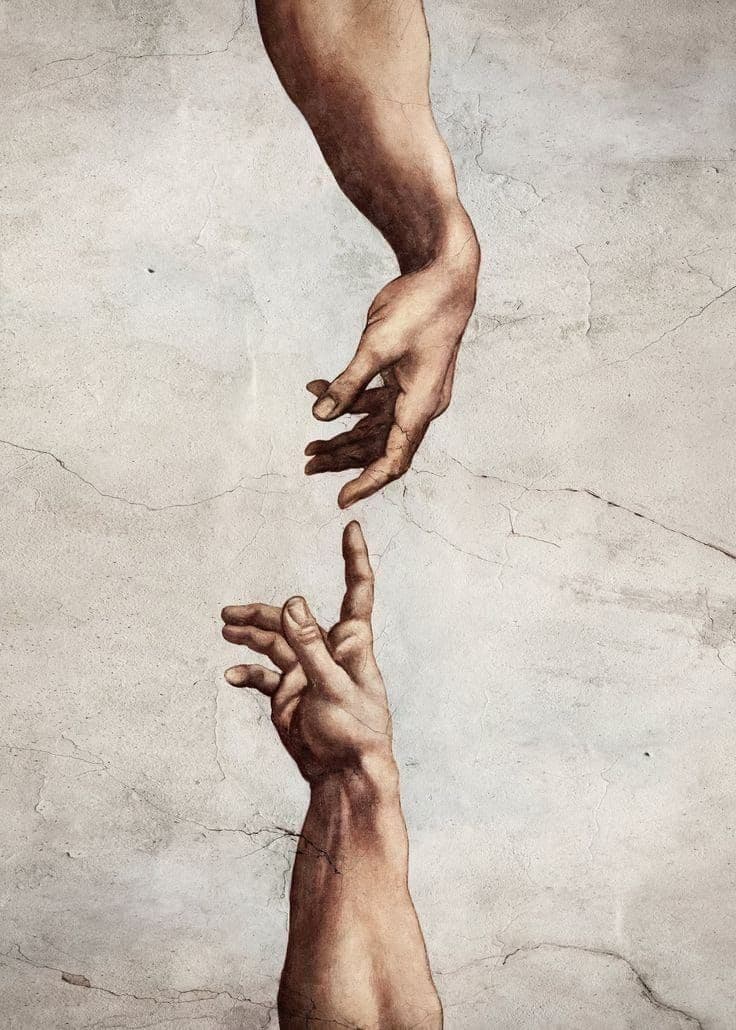
Most people ask “what if it goes wrong?” I ask the opposite. The stoics taught us that the obstacle is the path. This is how I think about money, knowledge, and the future.
“The impediment to action
advances action. What stands
in the way becomes the way.”
Marcus Aurelius
Core Values
What I believe
01
Change is important.
The world does not wait. Financial systems shift, technology evolves, and the rules of wealth-building are rewritten constantly. The people who thrive are those who embrace change rather than resist it, updating their thinking when the evidence demands it. Standing still is not safety. It is slow retreat.
02
Information should be freely accessible.
Wealth has always been concentrated partly because knowledge about it was too. The financial industry has a long history of making things more complicated than they need to be. My job is to cut through that. Everyone deserves clear, honest, jargon-free information about their money, not just people who can afford an adviser.
03
In the age of AI, protect yourself.
Artificial intelligence is rewriting careers, industries, and entire economies. The best protection is not fear. It is financial resilience. An emergency fund, a clear understanding of how money works, and awareness of investment options available to you can all form part of that resilience. When investing, your capital is at risk.
04
Investing has never mattered more.
Wages are not keeping pace with the cost of living. Cash in savings accounts can lose real-terms value to inflation. Many people find that understanding investment options becomes more relevant as a result. Investing is not a guarantee of success and your capital is at risk, but understanding what is available to you is always worthwhile.
“We suffer more in imagination
than in reality.”Seneca
Personal Mantra
Never give up.
Always try.
This is not a motivational poster. It is a practical stance. The stoics did not tell you that everything would work out. They told you to act anyway, and to do so with full acceptance of what you cannot control.
I have never met a person who succeeded by avoiding failure. Every outcome worth having sits on the other side of some number of attempts that did not go to plan. The question is not whether you will fail. It is whether you will stop when you do.
Failure is the most important thing.
Not because failure is good in itself, but because it is information. Every time something doesn't work, you learn something that no amount of planning could have taught you. The person who has failed more has usually learned more. Do not protect yourself from failure. Study it.
“What if this does work?”
Most people spend their energy imagining every way something can go wrong. I try to spend mine imagining what happens when it goes right, then working backward from there. The stoic approach is not blind optimism. It is clear-eyed action in the direction of what you want, without attachment to the outcome.
Words that guide me
“We suffer more in imagination than in reality.”
Seneca
“The impediment to action advances action. What stands in the way becomes the way.”
Marcus Aurelius
“It is not things that disturb us, but our interpretation of things.”
Epictetus
“Waste no more time arguing what a good man should be. Be one.”
Marcus Aurelius
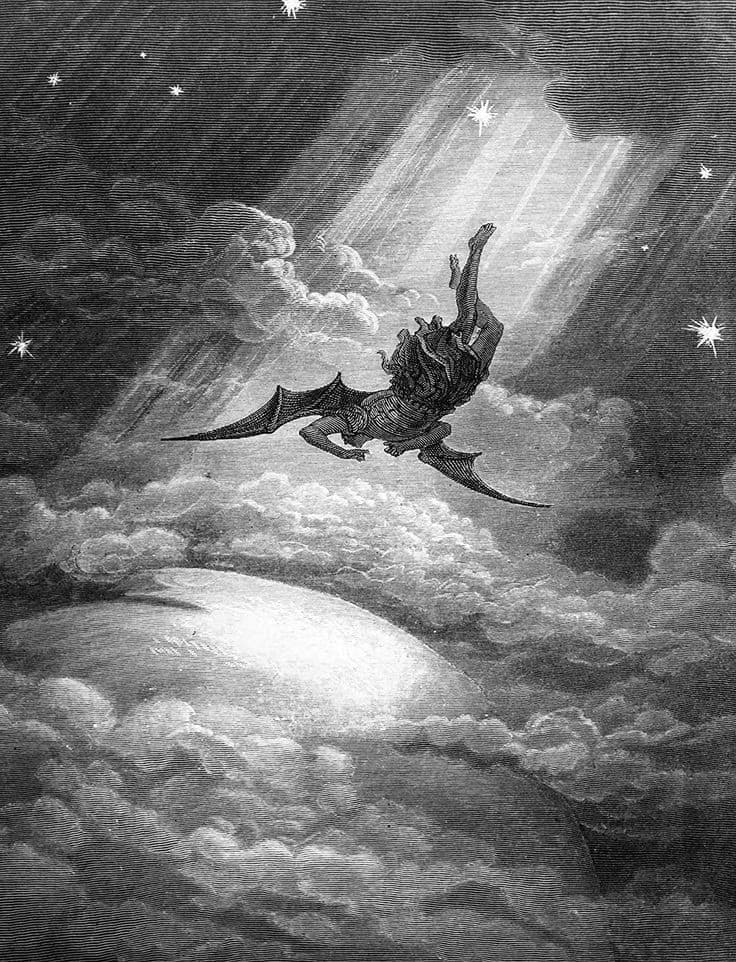
Why this connects to finance
Stoicism is the
ultimate money mindset.
The market will fall. There will be months where your investments are worth less than you put in. Interest rates will change. Governments will make decisions that affect your wallet. None of this is in your control.
What is in your control: how much you save, whether you invest, whether you educate yourself, and whether you panic or stay the course when things look uncertain. That is it. That is the whole game.
Epictetus, born a slave and one of the most influential philosophers in history, drew the same line. Focus your energy on what you can change. Release your grip on what you cannot. This is not resignation. It is the most productive stance available to you.
Every guide I write, every tool I build, every piece of content I create is rooted in this: give people what they can control. Help them understand it. Help them act on it. The rest, the market, the economy, the news cycle, is noise.
Ready to start?
The best time to begin was yesterday. The second best time is now.